First expedition loop: track a monster, break wounds and return with useful parts
An early Monster Hunter Wilds route linking the Seikret, Focus Mode and equipment crafting. It covers the field systems that carry into later hunts without assuming one particular weapon.

Choose a weapon in the training area
Try one weapon against a stationary target and learn how to enter and leave its main attack sequence. Watch the recovery after its slower moves. Choose a short attack that leaves time to dodge or guard and a stronger sequence for a long opening. The Seikret's secondary weapon slot is useful later, but learning two entire movesets at once makes an early failure harder to diagnose.
Read the target and objective wording
Check whether the quest asks for a hunt, slay, capture or a specific part. Inspect your stock of healing items and any equipment needed for the intended completion. A monster found wandering the same region is not automatically the active quest target. Confirm its icon before spending consumables or following tracks deep into another area.
Use the Seikret to follow the hunt
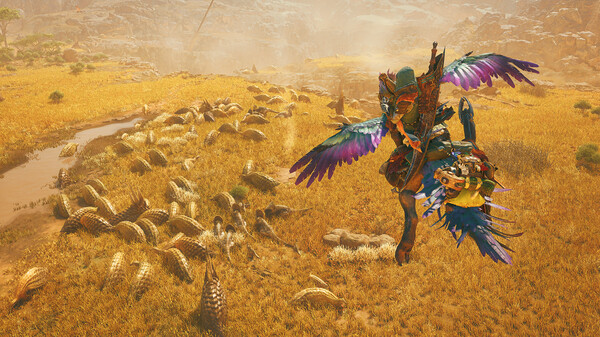
Select a map destination or target and use the Seikret to negotiate the route. During travel, check supplies and the surroundings rather than losing track of where the monster is moving. If the mount appears to run away from the desired encounter, inspect the currently pinned destination and the target's changing location before fighting the navigation controls.
Create and recognise wounds
Repeated attacks on a part can open a wound. Focus Mode highlights the relevant weak points and helps aim attacks more precisely. Select a reachable part rather than swinging at whichever part passes first. A wound high on the monster may require a different angle or a better opening. The highlight is information about a potential opportunity, not a guarantee of safe contact.
Use a Focus Strike during a recoverable opening
With the wound in reach, use your weapon's Focus Strike. Learn its travel and recovery in the training environment. If it misses despite a visible wound, check aim, distance and the monster's movement before changing equipment. Use a knockdown or a completed monster attack when first practising. Successfully destroying a wound can also create an opening for additional damage.
Handle a retreat as a resupply interval
When a monster moves zones, check sharpness, healing and the supplies needed to finish the quest. Follow on the Seikret after those actions rather than entering a new arena with depleted resources. A nearby pop-up camp can reduce future travel, but its placement and safety affect its usefulness. Consider which route you expect to repeat before setting one up.
Craft according to the missing material
After returning, inspect the smithy's recipe and the exact part name. Consult the monster's field guide for how that material is obtained. A general hunt reward, a broken part and a severed part are different routes. Plan the next hunt around the missing item rather than increasing the difficulty or repeatedly fighting the same monster without targeting the relevant condition.
Check Chatacabra's forelegs before chasing its tongue
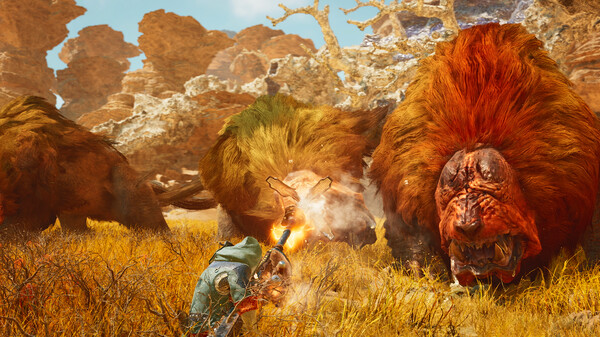
On a Chatacabra hunt in the Windward Plains, watch what the monster does after it presses a forelimb into the ground. Stone and ore can cling to the limb, increasing the threat of its next blows. Check the forelegs individually in Focus Mode. If your forging requirement asks for a break-related reward, concentrate your openings on the relevant part and watch for the break notice. An exposed tongue is a different opportunity. After a committed attack or when the monster tires, the tongue can remain in reach long enough for a short combination. An excellent damage window on the tongue contributes to defeating Chatacabra, but does not substitute for working on a foreleg break. If the monster goes down before you finish the part job, check the post-hunt rewards and Hunter's Notes before repeating the hunt. A material with several possible reward routes may already have dropped. If it did not, have the group concentrate on the part earlier instead of adding damage to unrelated parts faster.
Official screenshots